Cart
0
You may also like
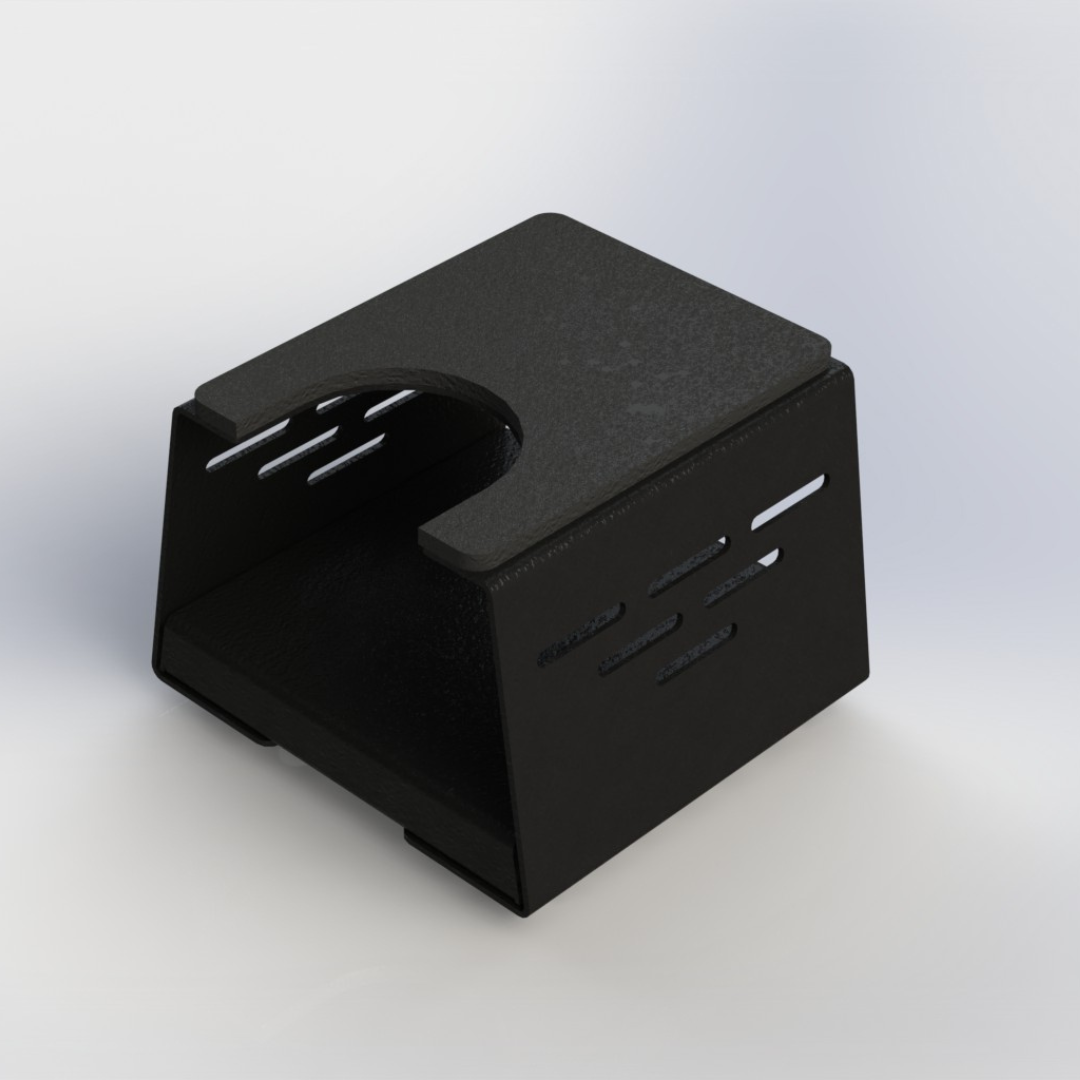
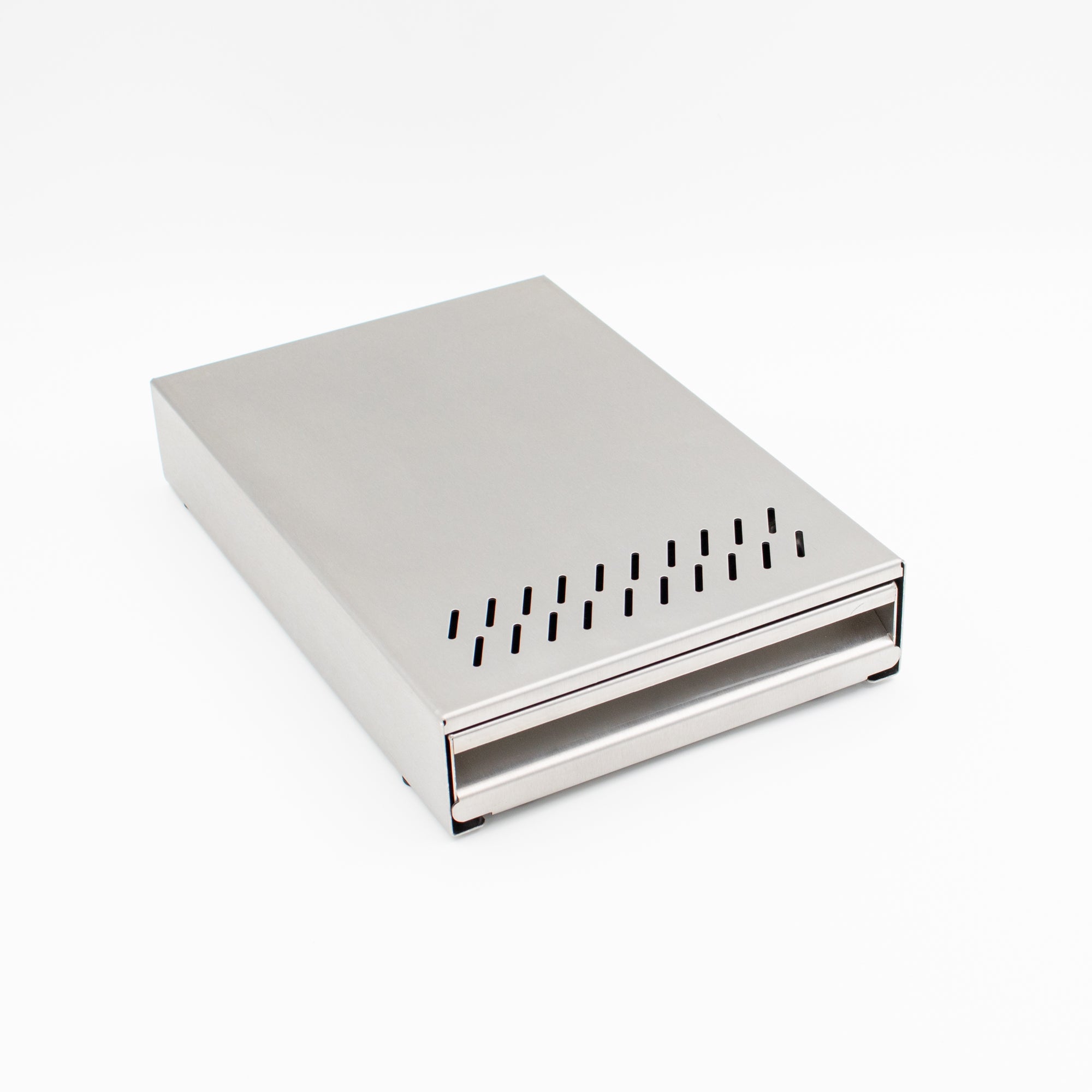
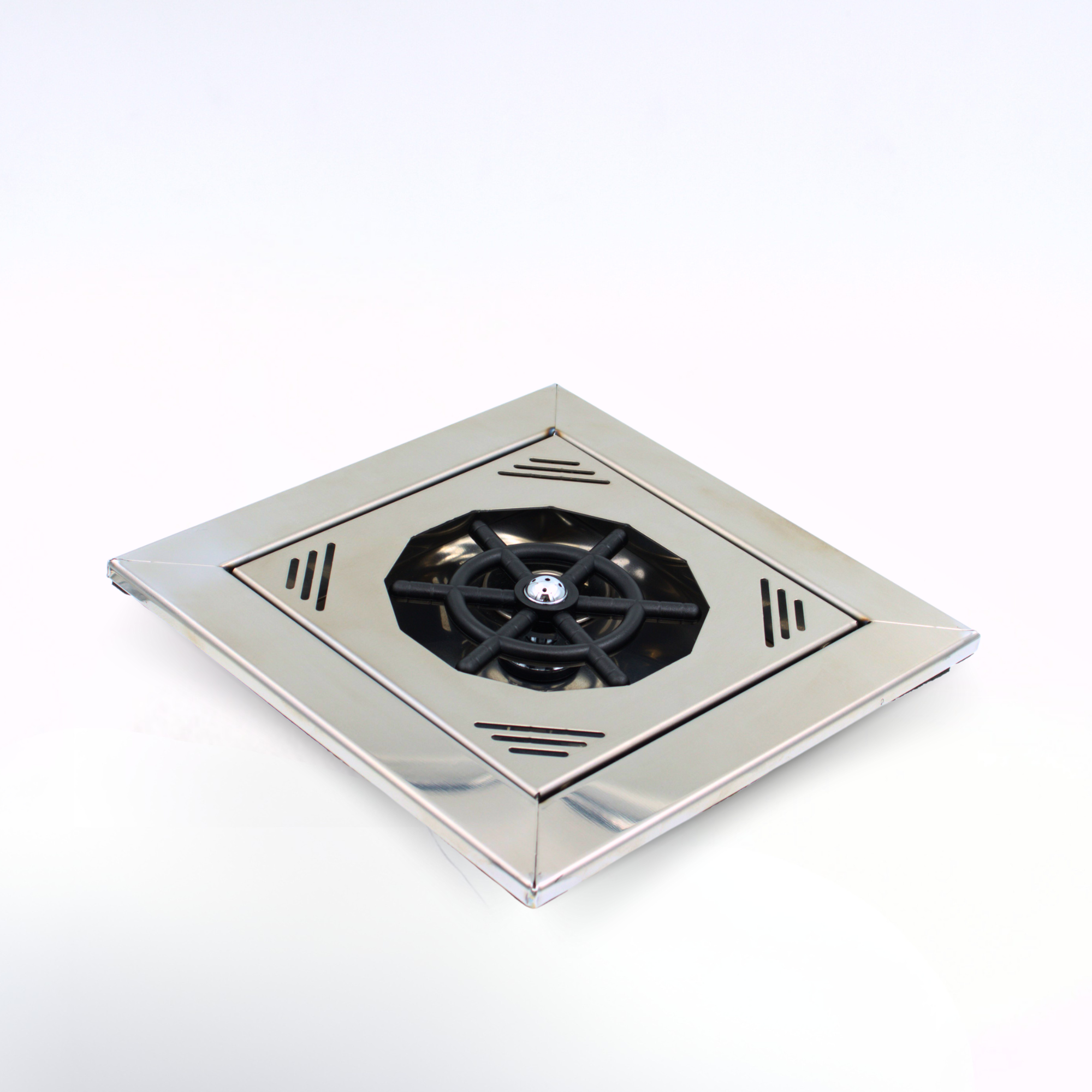
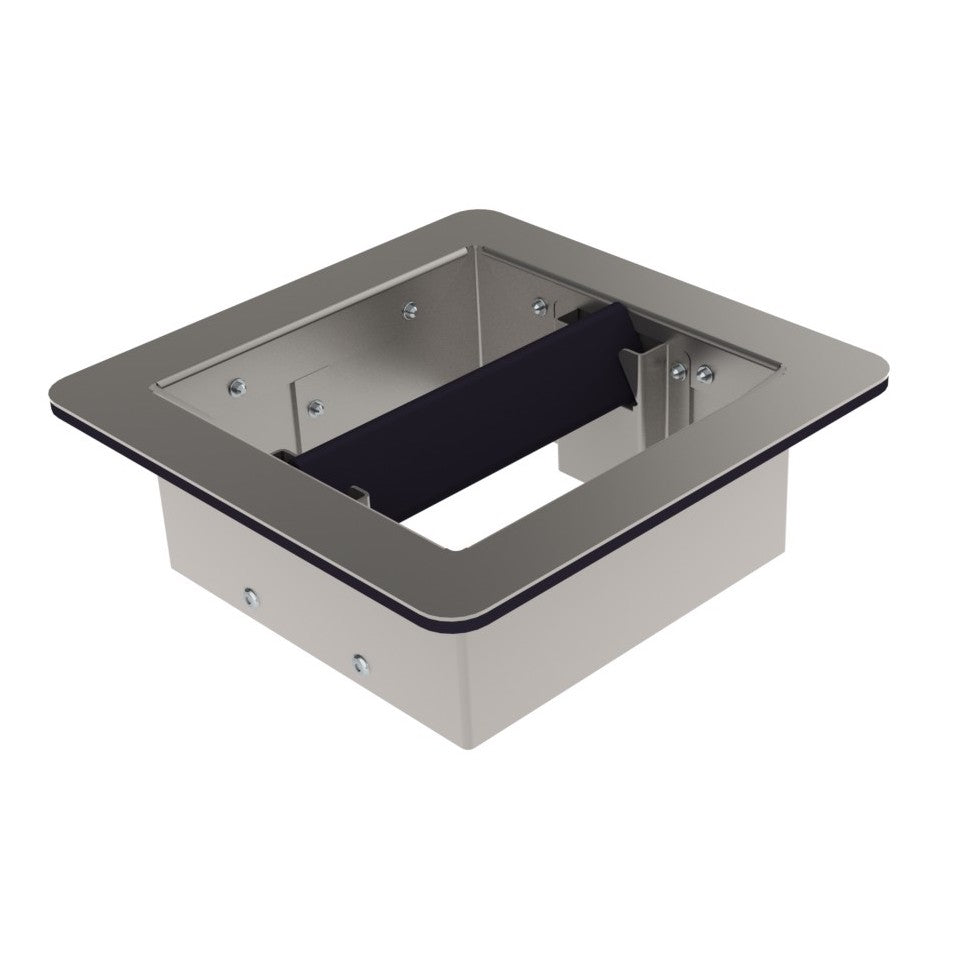


When cafés invest in equipment, the priorities are obvious.
Espresso machine.
Grinder.
Water system.
A killer social media presence to attract the customers.
These are the headline acts.
But there’s one piece of equipment used on every single shot that rarely gets the same attention.
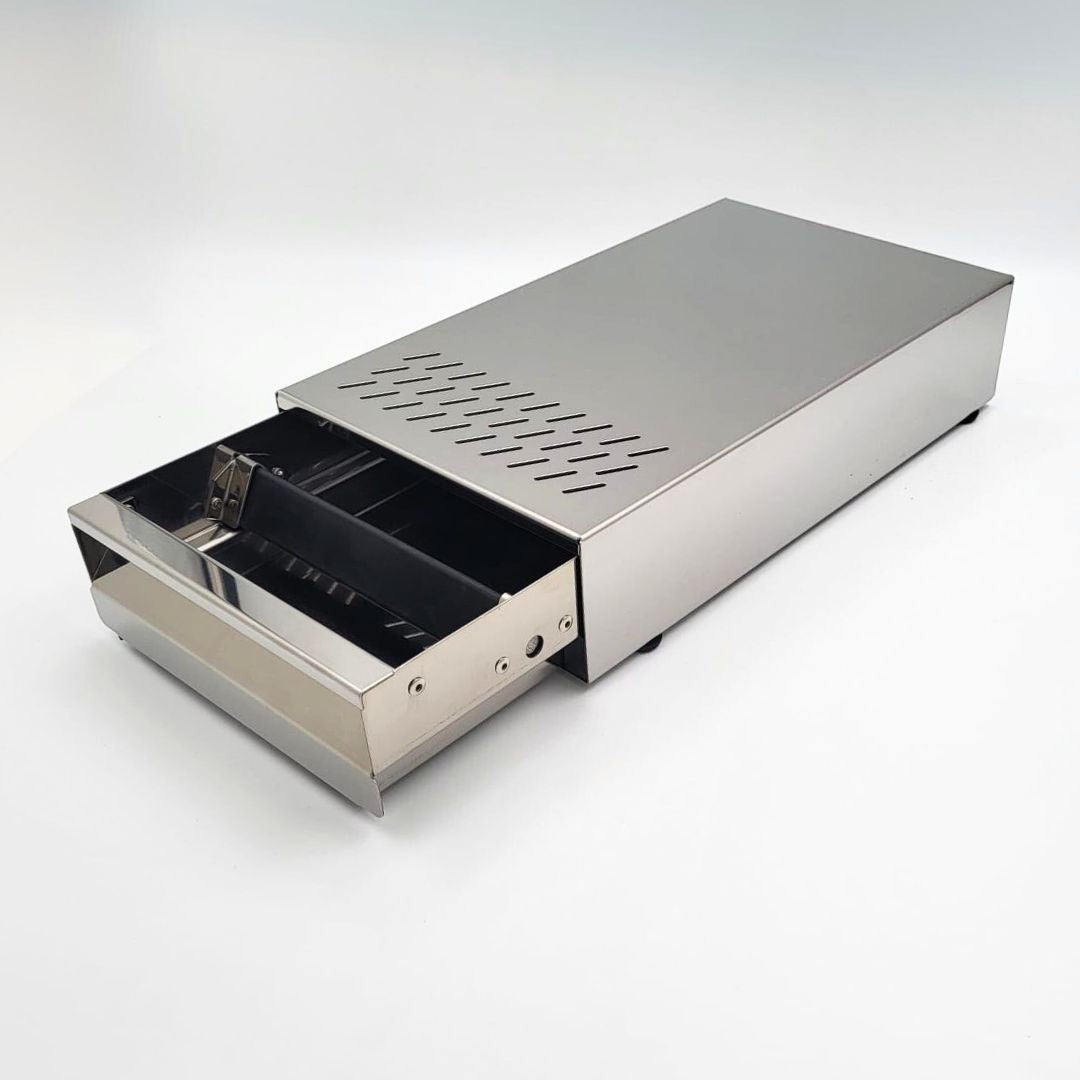
The knock drawer.
And yet, it may be the hardest-working component on your entire bar (This is not a bash on baristas, we know you guys work hard 😉).
A commercial knock drawer is used every time a puck is ejected.
That means:
· Dozens of impacts per hour
· Hundreds per day
· Tens of thousands per year
It absorbs direct force.
It carries the weight of a grinder.
It handles moisture, heat, and cleaning chemicals.
And sometimes takes the brunt of a frustrated, overcaffeinated barista (we see you)
It sits at the centre of the workflow and takes the punishment. (If built well, it’ll take it quietly, if not… it’ll likely cause a headache.)
A knock drawer, chute or floor tower are not an accessory.
They’re load-bearing bar equipment.
In real café environments, an espresso knock drawer experiences more than most people realise.
Repeated impact on the knock bar.
Side pressure from fast workflow.
Downward load from grinders sitting on top.
Constant opening and closing.
Daily emptying and cleaning.
Over time, weak materials reveal themselves.
Plastic cracks.
Bars loosen.
Drawer mechanisms stick.
Frames begin to flex under grinder weight.
Welds break.
This isn’t about brand comparison.
It’s about physics.
Impact plus repetition plus load equals stress.
And stress exposes build quality (and human integrity)
Not all stainless steel knock drawers are created equal.
Some entry-level café knock boxes are plastic. Under heavy commercial use, plastic eventually fatigues. That’s expected.
But even among stainless steel knock drawers, there is a difference that isn’t always obvious at first glance.
Material thickness.
Many mass-produced knock drawers are fabricated from thinner 0.9mm stainless steel. On day one, they look solid. They feel solid. But under constant impact and grinder load, thinner sheet can flex, resonate, and slowly deform.
Repeated force exposes the truth.
At The Knock Drawer Co., we manufacture our commercial knock drawers using 1.2mm and 1.5mm stainless steel.
Unlike mass-produced accessory brands, every drawer is manufactured with precision engineering and built to withstand daily commercial use (and with a lot of hands-on expertise)
That additional material thickness increases:
· Structural rigidity
· Resistance to flex under grinder weight
· Knock bar stability over time
· Overall lifespan in high-volume environments
On paper, it’s a fraction of a millimetre.
On a busy bar, it’s the difference between holding shape, and slowly bending under pressure
An under grinder knock drawer does more than collect spent coffee.
It stabilises the grinder platform.
It defines the workflow zone.
It influences noise levels.
It affects how efficiently a barista moves from grind to dose to tamp to extract to eject.
If the drawer shifts, rattles, or sticks, the workflow suffers.
If it’s stable, smooth, and solid, it disappears into the rhythm of service.
And that’s the goal my friends, to be the unwavering support tool and corner stone to our busy baristas.
Many knock boxes are sold as accessories.
But in a commercial setting, a knock drawer behaves like structural equipment.
It supports weight.
It absorbs force.
It handles daily mechanical stress.
When treated like an afterthought, it becomes a recurring cost; replacement bars, replacement feet, replacement handles, replacement drawers.
Treat it like equipment and it becomes part of the foundation of your bar.
If you’re evaluating a stainless steel knock drawer for café or home use, look for:
· Rigid stainless steel construction
· Proper material thickness (not just stainless, but strong stainless)
· Stable under-grinder footprint
· Secure knock bar mounting
· Smooth, consistent drawer action
· Durable powder-coated or brushed finishes
· Resistance to flex under load
Longevity isn’t accidental, it’s engineered (mic drop.)
If you removed the knock drawer from the coffee bar tomorrow how long would service continue?
Five minutes? Because those waste pucks have to go somewhere, and I don’t think paying customers would appreciate seeing the portafilter being bashed off the side of a bin (yuck)
The knock drawer may not be the most glamorous tool on your coffee bar (although we think ours look pretty nice) but it is one of the most used.
And the most used tool shouldn’t be the weakest one.
When built properly, a stainless steel knock drawer becomes something simple.
Reliable.
Stable.
Quiet.
It just works.
Every shot.
Every day.

